Edited by Blue Economy Magazine
Abuja, Nigeria – Chairman Board of Trustees, BTPDI and Convener/Founder, Africa Blue Economy Roundtable (ABER), Dr. Piriye Kiyaramo, says the IMO World Maritime Day 2026-2027 theme “From Policy to Practice: Powering Maritime Excellence” must translate into tangible action for coastal communities — from the creeks of Bayelsa to the beaches of Zanzibar, Tuléar in Madagascar to Gullah Geechee communities in the Diaspora.
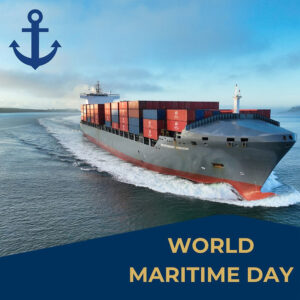
In a goodwill message in commemoration of World Maritime Day celebration, Dr. Kiyaramo, stated that the International Maritime Organization’s two-year World Maritime Day theme for 2026-2027, “From Policy to Practice: Powering Maritime Excellence”, comes at a defining moment for Africa.
The statement read in part: “For too long, Africa’s coastal communities, from the creeks of Bayelsa to the beaches of Zanzibar, from Tuléar in Madagascar to the Gullah Geechee communities in the Diaspora, have lived with world-class policies but poor practice. This theme is a call to close that enforcement gap and make global rules felt in every port and on every deck.
“The theme is clear: develop Member States’ capacity to put policies into practice by providing technical assistance, training and other essential services. For ABER, “Powering” means momentum and targeted support, and “Excellence” means a safe, secure, efficient and environmentally sustainable industry operating to the highest standards”.
IMPLICATIONS FOR OUR COASTAL COMMUNITIES
On Biodiversity Loss: Our communities are watching their fisheries collapse not because we lack treaties, but because policies remain on paper. When mangroves are cleared in the Niger Delta, when coral reefs are bleached in the Indian Ocean, and when fish stocks are depleted in the Gulf of Guinea, the cost is paid by fisherwomen in Bayelsa, seaweed farmers in Zanzibar, and boat builders in Mombasa. From Policy to Practice means translating the Kunming-Montreal Global Biodiversity Framework into community-managed Marine Protected Areas (MPAs).
On Plastic Pollution: Africa’s 38 coastal states generate over 17 million tonnes of plastic waste annually, yet less than 10% is recycled. Our beaches from Lagos to Limbe, from Port Louis to Kingston are choked. Practice means implementation of the MARPOL Annex V, the London Protocol, and the upcoming Global Plastics Treaty at the level of fish landing sites.
On Climate Change: Our coastal communities contribute less than 4% of global emissions but bear the brunt of sea-level rise, coastal erosion, and ocean acidification. For communities in the Niger Delta, coastal Senegal, Mozambique Channel, and low-lying island Diaspora in the Caribbean, climate change is not a future threat; it is a daily reality.
ABER’S RECOMMENDED POLICY RESPONSES
To move from Policy to Practice, ABER recommends five urgent actions for African Governments, the African Union, and the African Diaspora: Powering Legislation: Fast-track domestication of IMO conventions, the African Blue Economy Strategy, and the Moroni Declaration on Sustainable Blue Economy into national maritime laws with clear budgets and enforcement timelines.
Powering People: Invest in IMO’s nine pillars of capacity development — training seafarers, port workers, flag State and port State control officers, and community ocean stewards. Excellence is delivered by people.
Powering Community-Led Conservation: Establish a Continental Coastal Guardians Fund that pays fisherwomen and youth to restore mangroves, protect turtle nesting sites, and manage locally owned MPAs. ABER’s Women’s Forum will lead this.
Powering Circular Blue Economy: Enact a Pan-African Ban on Single-Use Plastics in coastal zones by 2028, coupled with incentives for seaweed-based packaging, community recycling hubs, and Diaspora-African green shipping corridors.
Powering Climate Justice: Integrate ocean-based climate adaptation into Nationally Determined Contributions (NDCs) — including blue carbon credits for mangroves, early warning systems for coastal communities, and resilient port infrastructure.
THE ROLE OF THE AFRICA BLUE ECONOMY ROUNDTABLE
In line with this theme, ABER intends to serve as the Strategy-to-Execution Bridge.
As an emerging think-tank and delivery engine, ABER, through its 30-Man Tactical Committee and its 54 National Coordinators plus Diaspora Chapters, will: Translate dialogue into a roadmap: Deliver a 90-day Continental Flagship Report on “From Policy to Practice in Africa”;
b) Mobilize expertise: Link academia to industry, Africa to Diaspora;
c) Drive inclusion: Ensure no coastal community is left behind.
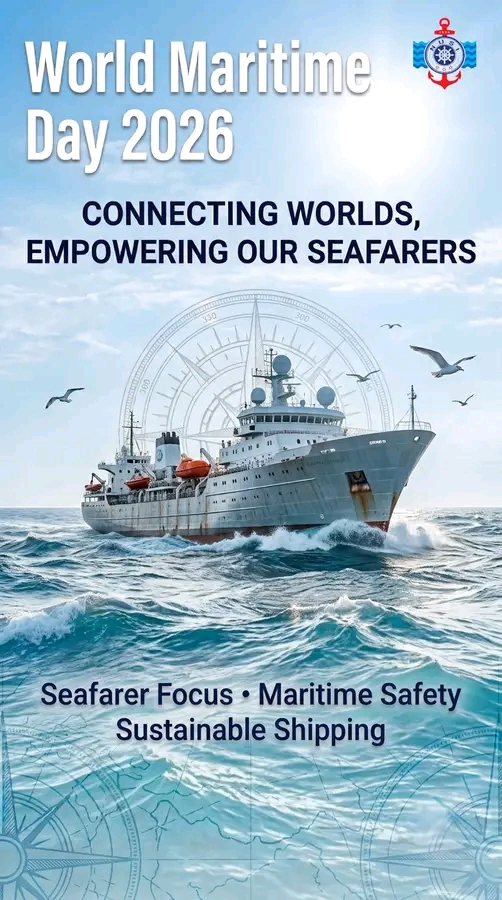
From the creeks of Bayelsa to the shores of the Diaspora, the time to power maritime excellence is now. Happy World Maritime Day 2026!