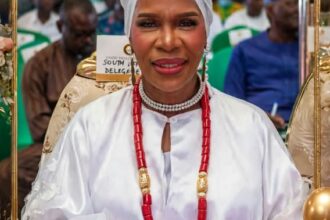
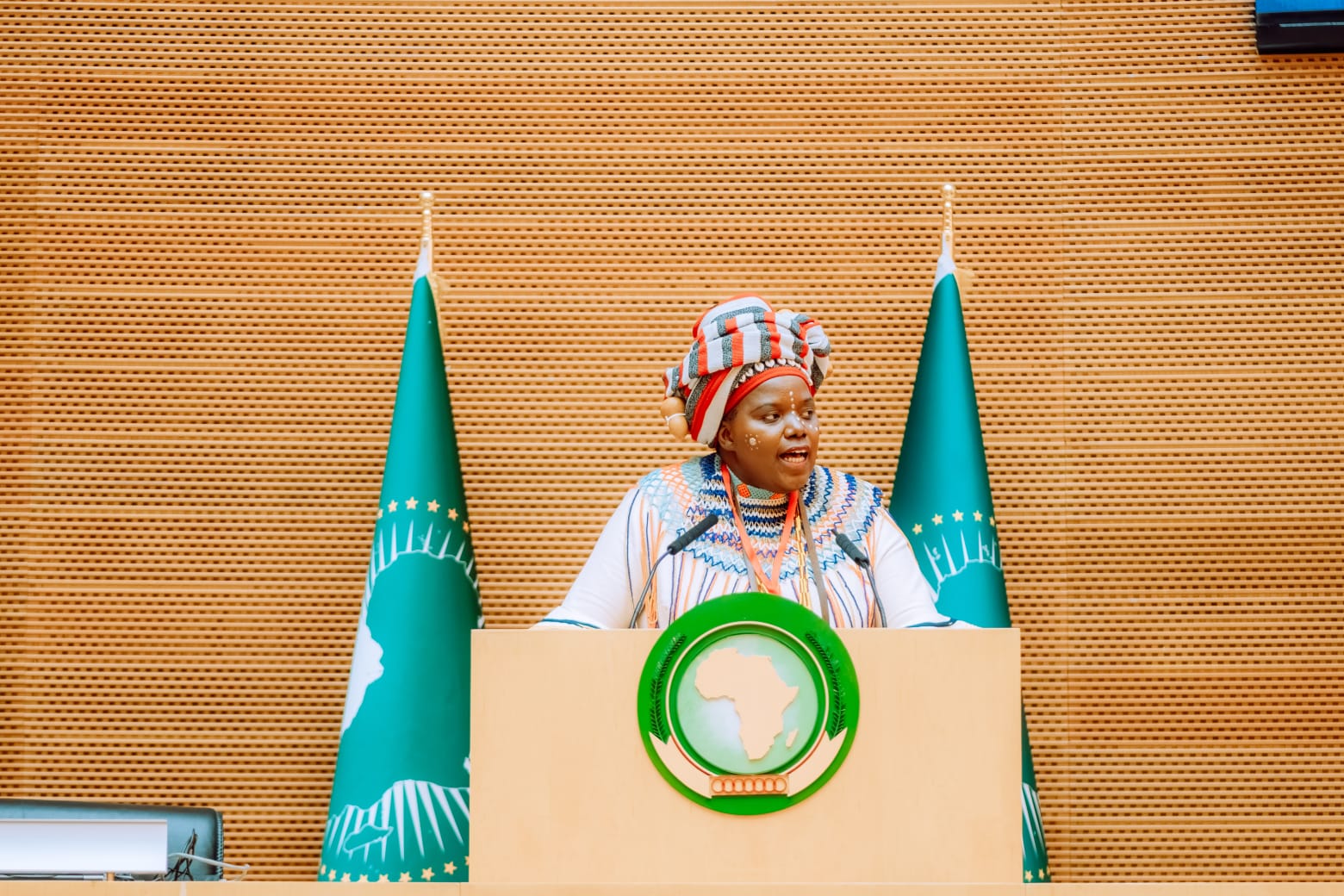
Picture:Princess Dr. Nikiwe Bam
Edited by Blue Economy Magazine
Abuja, Nigeria — The Convener of the Africa Blue Economy Roundtable (ABER), Dr. Piriye Kiyaramo, has showered encomiums on South Africa’s Princess Dr. Nikiwe Bam, ABER’s Special Envoy on African Traditional Institutions and the African Diaspora, Global Coordinator of the African Traditional Leaders Forum, Founder and Global President of Afrikan Indigenous Leaders, for successfully coordinating the Africa Celebrates African Traditional Leaders Forum which gave birth to the historic African Traditional Leaders Council (ATLC) at the African Union Headquarters, Addis Ababa, Ethiopia, over the weekend.
In a statement issued in Abuja on Monday by ABER’s Director of Communication & Public Affairs, Hajiya Medina Dauda Nadabo, Dr. Kiyaramo described Princess Dr. Bam as a woman immersed in the spirit of Pan-Africanism and poised to unite Africa through Afrikan Indigenous Leaders and the Africa Celebrates platform.
“Her historic feat as Global Coordinator, which culminated in the birth of the African Traditional Leaders Council at the AU Headquarters in Addis Ababa, is incredible and worthy of celebration by all Africans and the Diaspora,” Dr. Kiyaramo said.
The Role of African Traditional Leaders in the Blue Economy
The adoption of the Addis Ababa Declaration and the birth of the ATLC is not just a cultural milestone; it is a strategic Blue Economy milestone.
ABER has long maintained that over 80% of Africa’s blue resources — creeks, rivers, lakes, mangroves, beaches and sacred waterways — are under the custodianship of traditional institutions. Kings, Queens, Obas, Sultans, Emirs, Chiefs, Queenmothers and Custodians of land and water are the de facto Blue Governors of Africa.
Their role in the Blue Economy is indispensable:

As Custodians of Blue Sovereignty: Traditional leaders are custodians of ancestral waters, fishing grounds, sacred groves and coastal lands. Without their consent and blessings, no sustainable blue economy project can thrive.
As Keepers of Indigenous Knowledge Systems: They hold centuries-old knowledge on tides, fishing seasons, weather forecasting, boat building, mangrove preservation and conflict resolution among fisherfolk which is critical indigenous data for climate adaptation and ocean governance.
As Peacebuilders for Blue Investments: Most conflicts in the Niger Delta, Lake Chad Basin and Great Lakes region are water-related. Traditional leaders are the first mediators, ensuring stability for blue investments, aquaculture parks and eco-tourism.
As Drivers of Blue Tourism and Culture: Africa’s water festivals, such as Lake Efi in Bayelsa, Argungu, Bakassi, Pesse, Ngondo and the Confluence Regatta, are owned by Kingdoms. They are the original promoters of cultural blue tourism.

As Pillars of Women, Queenship and Blue Livelihoods: Over 60% of post-harvest fisheries workers in Africa are women under the leadership of Queenmothers and Women Chiefs. Empowering Queenship is empowering the blue value chain.
It is on this basis that ABER created the Office of the Special Envoy on African Traditional Institutions and the African Diaspora and appointed Princess Dr. Nikiwe Bam to bridge traditional leadership with global blue economy diplomacy.
A Milestone and a Beginning
The Africa Celebrates Traditional Leaders Forum was held on 13th November, 2026, under the theme: “Strengthening Traditional Leadership for Peace, Culture and Sustainable Development Across Africa.” The Forum brought together representatives of 46 African Kingdoms and the African Diaspora (6th Region) to deliberate on four pillars:
– Peacebuilding and Conflict Resolution;
– Women, Queenship and Traditional Leadership;
– Culture, Heritage and Indigenous Knowledge Systems; and
– Traditional Governance and Sustainable Development.

A central outcome was the adoption of the Addis Ababa Declaration and the establishment of the African Traditional Leaders Council (ATLC) — a more coordinated continental platform for traditional authorities to contribute to the African Union Agenda 2063 and the African Blue Economy Strategy.
“For the Council to fulfil its potential, its next steps will be important: inclusive consultation, a clear Charter, transparent governance and practical programmes that respond to community needs,” Dr. Kiyaramo noted.
The Forum marks both a milestone and a beginning, a call for unity, cooperation and purposeful action so that Africa’s traditional leadership can serve its people and future generations.