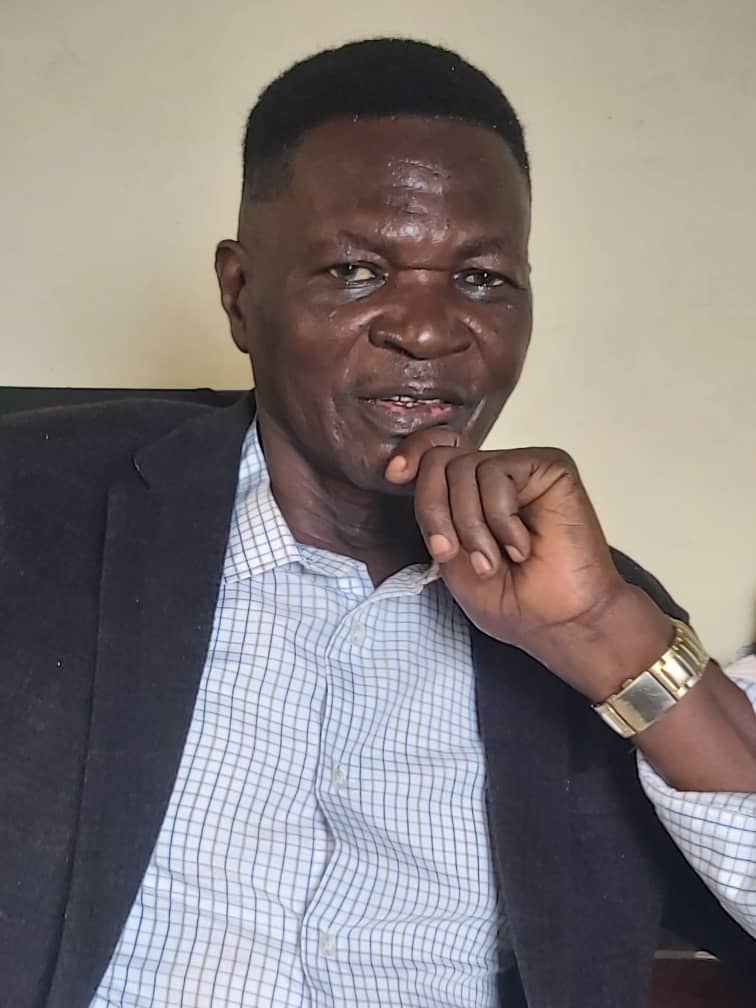
Amb. Fidelis Nnadi,
Edited by Blue Economy Magazine
Abuja, Nigeria – The Accident Prevention and Rescue Initiative (APRI) has called for a fundamental overhaul in the management and maintenance of Nigeria’s road infrastructure, warning that the current “fire brigade” approach is costing the economy billions and endangering lives.
In a statement signed by its Executive Director, Amb. Fidelis Nnadi, APRI said road travel should not be “an ordeal, an economic punishment, a security risk, or a matter of life and death.”
“Over the years, successive administrations at federal, state and local government levels have struggled to address failing road infrastructure, forcing many Nigerians to resort to air travel despite rising fares,” the statement said.
“It is not just about flooding, potholes, craters, failed pavements, or traffic congestion. These are symptoms of decades of failure to adequately maintain the vital infrastructure on which the nation’s economy, mobility, and social life depend.”
APRI cited the Lagos–Ore–Benin–Asaba–Onitsha corridor as a clear example of systemic failure. The route, one of Nigeria’s busiest commercial arteries linking Lagos to the South-South and Southeast, has seen sections collapse, resulting in gridlock, flooding, prolonged construction delays, broken-down trucks, and massive loss of man-hours.
“Motorists have reportedly spent several days navigating portions of the Benin–Asaba corridor,” APRI noted. “The economic cost of bad roads is often underestimated. A delayed truck means paid driver time, wasted fuel, vehicle depreciation, postponed deliveries, and for agricultural produce, outright spoilage in a country with inadequate storage.”
The group said Nigeria pays for bad roads through construction and maintenance costs, vehicle damage, higher logistics costs, lost productivity, increased consumer prices, and loss of human lives.
While acknowledging the roles of the Federal Ministry of Works and FERMA, APRI stressed that concessioning does not absolve government of responsibility.
“Where a concessionaire fails, government must enforce the contract. Where contractors deliver substandard work, statutory remedies must be applied. Where consultants or officials fail in supervision, there must be accountability.”

Referencing the recent controversy over the Benin–Asaba Expressway, where the federal government admitted deficiencies and ordered remedial works, APRI said: “The larger lesson extends beyond one road. We must stop governing infrastructure by emergency.”
As part of the solutions, APRI’s proposed: Asset-Based Management: Move from reactive patching to planned, whole-life maintenance of critical corridors including Lagos–Ore–Benin–Asaba–Onitsha and Bida–Agaie–Lapai–Lambata–Dikko–Kaduna.
Identify economically critical corridors based on population, economic activity, safety, and national security for priority funding and independent monitoring. Reduce road pressure by investing in rail, inland waterways, aviation, ports, and logistics hubs.
Conduct independent technical audits, public dashboards, publication of concession agreements, and strict enforcement of contracts. The National Assembly should conduct unbiased oversight with sanctions for failure and corruption.
“Fixing our roads is neither mysterious nor impossible,” APRI said. “It requires political will, measurable performance, and enforceable accountability — not press releases and emergency visits ahead of elections.”
APRI concluded that road infrastructure must be treated as a matter of national priority and a fulfillment of the social contract between government and citizens.