
Liberia’s maritime sector is one of the country’s most important economic and regulatory sectors, spanning ship registration, port operations, maritime safety, fisheries, seafarers’ welfare, coastal protection, and marine environmental management.
Internationally, Liberia is recognized for its open ship registry, managed through the Liberian Registry/LISCR. The registry is among the world’s largest, with more than 5,900 registered vessels totaling over 297 million gross tons and accounting for about 17% of the global fleet.
This position makes Liberia a major flag State with international responsibilities for ship safety, pollution prevention, labor standards, and compliance with International Maritime Organization conventions.
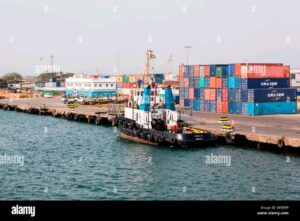
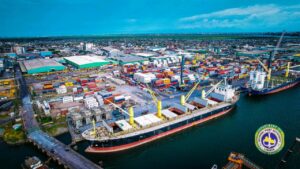
Domestically, the National Port Authority manages Liberia’s four main ports: the Freeport of Monrovia, Port of Buchanan, Port of Greenville, and Port of Harper. The Freeport of Monrovia serves as the country’s largest port and handles the majority of import and export cargo. Buchanan, Greenville, and Harper support regional trade and key industries including mining, agriculture, timber, and coastal economic activities.

The Liberia Maritime Authority provides national oversight of maritime administration, safety, seafarers’ matters, flag State responsibilities, port State control cooperation, and the implementation of international maritime conventions. This dual role means Liberia regulates its own coastal waters while also supervising a large global fleet operating under its flag.
Fisheries and coastal resource management form another critical component. Liberia’s coastline sustains fishing communities, food security, employment, and marine biodiversity. Effective monitoring is essential to combat illegal, unreported, and unregulated fishing, protect livelihoods, and strengthen the country’s blue economy.
The sector holds strong potential to advance national revenue generation, trade facilitation, job creation, environmental protection, and Liberia’s international reputation. Realizing this potential will require sustained investment in port infrastructure, maritime training, safety equipment, port reception facilities, pollution response capabilities, digital systems, and stronger enforcement of maritime laws and standards.